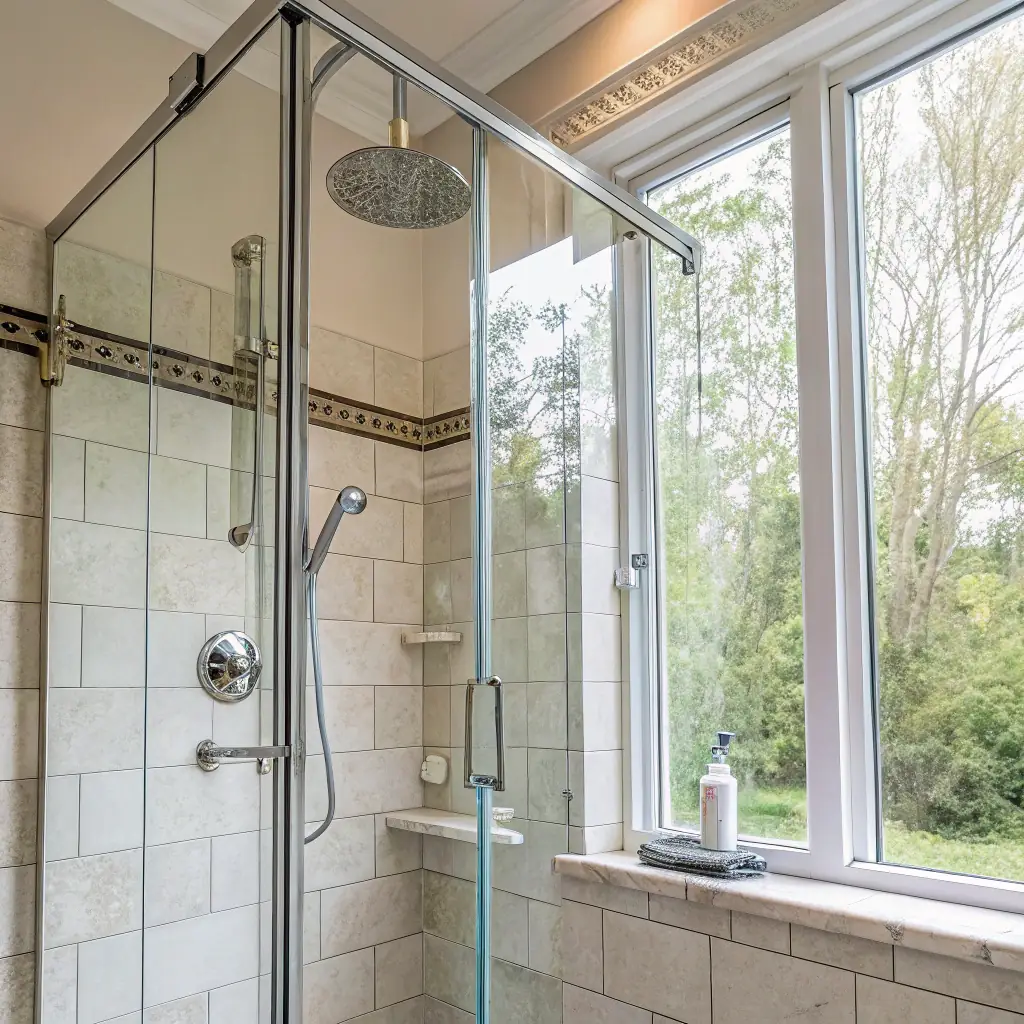
Understanding the Importance of Bathroom Safety
Bathroom safety is crucial, especially for individuals with mobility challenges or the elderly. Modifications can significantly reduce the risk of accidents, ensuring a secure environment where users can maintain their independence.
For instance, studies show that over 80% of falls in the home occur in the bathroom. By implementing safety features like grab bars and non-slip surfaces, you can create a safer space that allows individuals to navigate their bathrooms with confidence.
Types of Accessibility Modifications Available
There are various types of accessibility modifications tailored to meet specific needs. From grab bars to walk-in tubs, each feature is designed to enhance safety and usability in the bathroom.
Examples of popular modifications include roll-in showers for wheelchair users, adjustable showerheads for individuals of varying heights, and raised toilet seats that facilitate easier transfers. Each modification plays a vital role in promoting a safer bathing experience.
Assessing Your Bathroom for Accessibility Needs
Conducting a thorough assessment of your bathroom is the first step in identifying necessary accessibility modifications. This involves evaluating the current layout and identifying potential hazards that could impede safety.
Engaging with professionals, such as occupational therapists, can provide valuable insights into the specific modifications that would best suit your needs. They can help determine the optimal placement of grab bars and recommend appropriate fixtures to enhance bathroom safety.
Cost Considerations for Bathroom Modifications
When planning for bathroom accessibility modifications, understanding the costs involved is essential. Prices can vary based on the types of modifications, materials used, and labor required.
For example, installing grab bars may be relatively inexpensive, while a complete remodel to include a walk-in shower could be a larger investment. It's important to weigh the benefits of these modifications against their costs, considering the long-term safety and independence they provide.