Importance of Accessibility in Bathroom Design
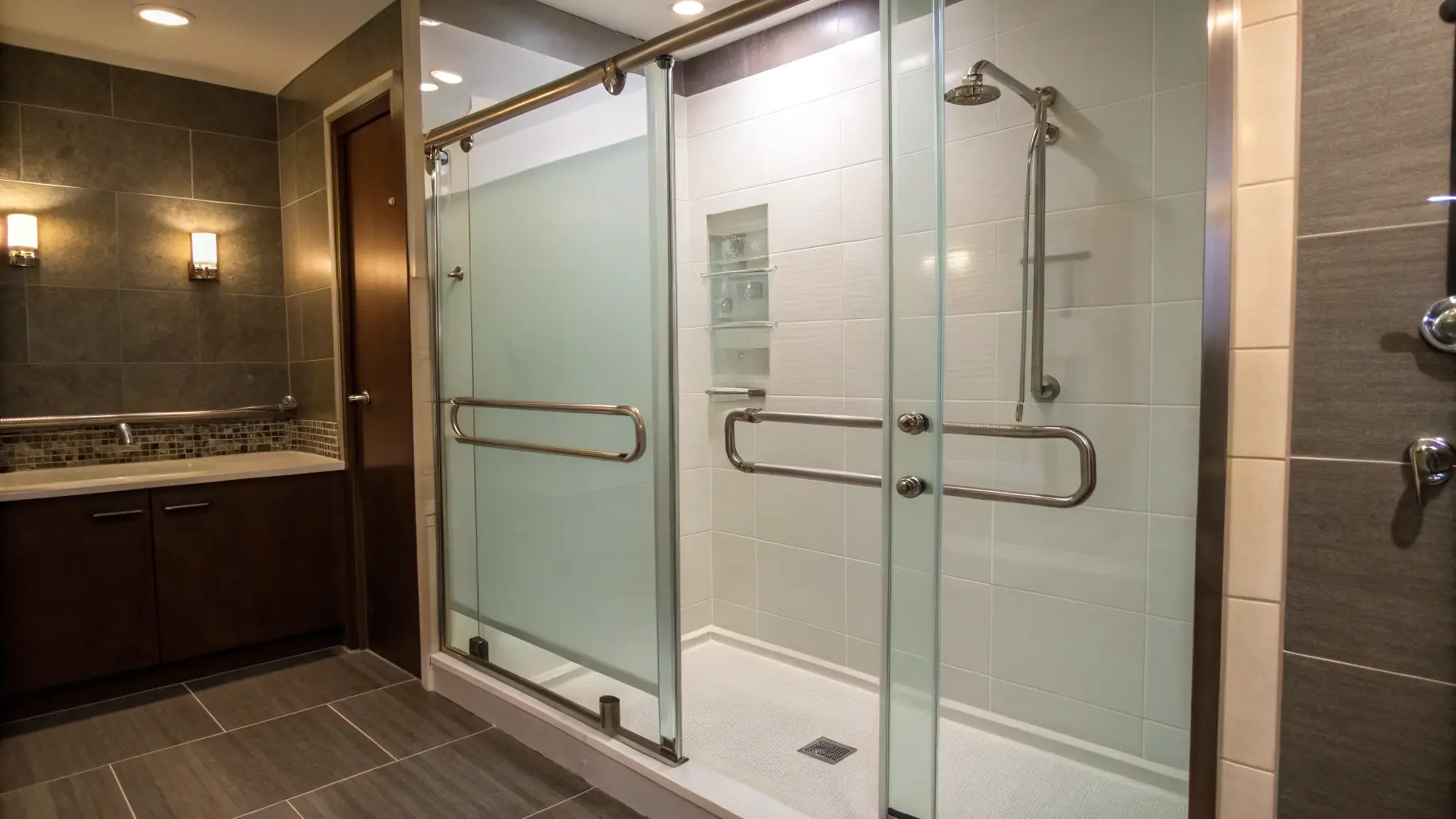
Creating an accessible bathroom is essential for ensuring that all individuals, regardless of their physical abilities, can use the space comfortably and safely. Accessibility modifications not only comply with legal standards but also enhance the overall user experience, making daily routines easier and more enjoyable.
For instance, incorporating features like non-slip flooring, adjustable showerheads, and accessible storage can significantly improve the usability of a bathroom for individuals with mobility challenges. These thoughtful modifications can transform a standard bathroom into a welcoming environment for everyone, fostering independence and dignity.
Key Features of an Accessible Bathroom
When designing an accessible bathroom, several key features should be prioritized to maximize safety and convenience. These features include grab bars, roll-in showers, and comfort-height toilets, which collectively contribute to creating a user-friendly space.
For example, installing grab bars near the toilet and in the shower can provide essential support for individuals with limited mobility. Additionally, a roll-in shower eliminates barriers for wheelchair users, while comfort-height toilets make it easier for everyone to sit and stand, further enhancing accessibility.
Collaborating with Qualified Contractors
Working with qualified contractors is crucial when planning accessibility modifications in a bathroom. These professionals possess the expertise to ensure that renovations meet safety standards and local building codes, thus providing peace of mind to homeowners.
Contractors can also offer valuable insights into the latest products and technologies designed for accessibility. By collaborating closely with these experts, homeowners can create a customized bathroom that not only meets their specific needs but also reflects their personal style and preferences.
Long-term Considerations for Bathroom Remodeling
When remodeling a bathroom for accessibility, it's vital to consider the long-term needs of all users. Planning for future mobility changes can help ensure that the bathroom remains functional and safe as needs evolve over time.
For instance, incorporating adjustable fixtures and flexible layouts can accommodate potential changes in mobility. Additionally, choosing durable materials and designs that are easy to maintain will ensure that the bathroom remains accessible and appealing for years to come.
Importance of Accessibility in Bathroom Design
Creating an accessible bathroom is essential for ensuring that all individuals, regardless of their physical abilities, can use the space comfortably and safely. Accessibility modifications not only comply with legal standards but also enhance the overall user experience, making daily routines easier and more enjoyable.
For instance, incorporating features like non-slip flooring, adjustable showerheads, and accessible storage can significantly improve the usability of a bathroom for individuals with mobility challenges. These thoughtful modifications can transform a standard bathroom into a welcoming environment for everyone, fostering independence and dignity.
Key Features of an Accessible Bathroom
When designing an accessible bathroom, several key features should be prioritized to maximize safety and convenience. These features include grab bars, roll-in showers, and comfort-height toilets, which collectively contribute to creating a user-friendly space.
For example, installing grab bars near the toilet and in the shower can provide essential support for individuals with limited mobility. Additionally, a roll-in shower eliminates barriers for wheelchair users, while comfort-height toilets make it easier for everyone to sit and stand, further enhancing accessibility.
Collaborating with Qualified Contractors
Working with qualified contractors is crucial when planning accessibility modifications in a bathroom. These professionals possess the expertise to ensure that renovations meet safety standards and local building codes, thus providing peace of mind to homeowners.
Contractors can also offer valuable insights into the latest products and technologies designed for accessibility. By collaborating closely with these experts, homeowners can create a customized bathroom that not only meets their specific needs but also reflects their personal style and preferences.
Long-term Considerations for Bathroom Remodeling
When remodeling a bathroom for accessibility, it's vital to consider the long-term needs of all users. Planning for future mobility changes can help ensure that the bathroom remains functional and safe as needs evolve over time.
For instance, incorporating adjustable fixtures and flexible layouts can accommodate potential changes in mobility. Additionally, choosing durable materials and designs that are easy to maintain will ensure that the bathroom remains accessible and appealing for years to come.