Create a Home for Everyone: Accessibility Renovation Ideas
Create an inclusive home with our accessibility renovation ideas. Enhance comfort and functionality for everyone,
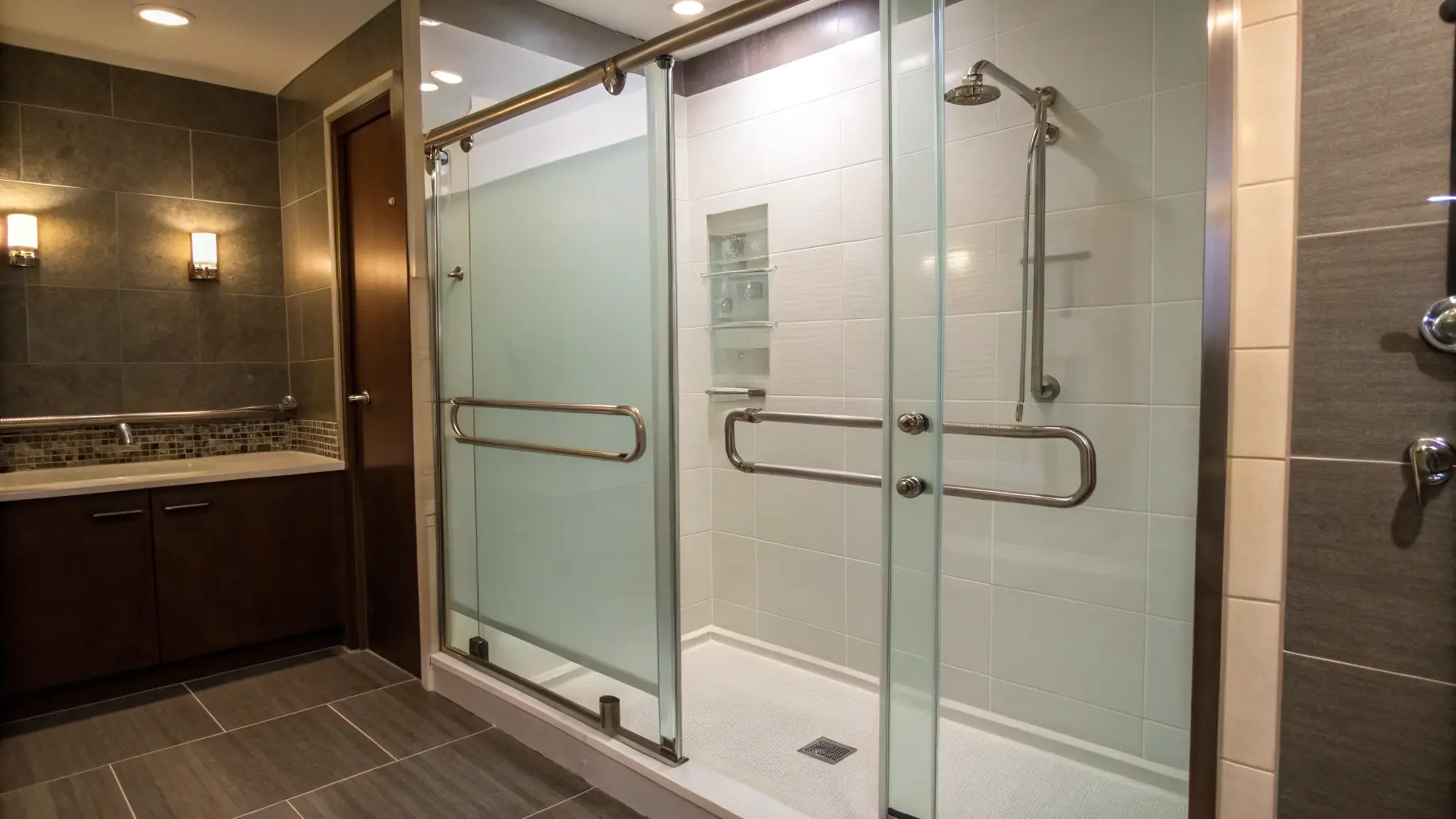
Enhance your bathroom safety with reliable grab bars. Ensure stability and confidence while bathing. Invest
Learn about the importance of accessibility modifications in bathroom design and how to create a
Bathroom accessibility modifications are essential for creating a safe and functional environment for individuals with varying needs. These modifications not only enhance safety but also promote independence, allowing users to navigate their spaces confidently.
For instance, installing non-slip flooring and adjustable showerheads can significantly reduce the risk of falls, while features like grab bars and raised toilet seats improve usability for those with mobility challenges. By prioritizing accessibility, homeowners can create a welcoming atmosphere for all guests and family members.
When designing an accessible bathroom, several key features should be considered to ensure maximum functionality and safety. These features include wide doorways, roll-in showers, and accessible sink designs that accommodate wheelchairs.
Incorporating these elements not only meets the needs of individuals with disabilities but also enhances the overall aesthetic of the bathroom. For example, a roll-in shower can be beautifully designed with tiles and fixtures that complement the home's style, proving that accessibility and design can go hand in hand.
Understanding the costs associated with bathroom accessibility renovations is crucial for homeowners planning to make modifications. While the investment can vary widely based on the extent of the renovations, it's important to consider both short-term and long-term benefits.
For example, while installing grab bars may seem like a minor expense, the potential savings from preventing accidents and injuries can be substantial. Additionally, many modifications can increase the overall value of the home, making them a worthwhile investment for the future.
Real-life success stories can provide inspiration and practical insights for homeowners considering accessibility modifications. These stories often highlight the transformative impact that thoughtful renovations can have on individuals' lives.
For instance, a family may share how installing a walk-in tub allowed their elderly parent to maintain independence while significantly reducing the risk of falls. Such testimonials not only showcase the benefits of accessibility features but also encourage others to consider similar modifications for their homes.
Bathroom accessibility modifications are essential for creating a safe and functional environment for individuals with varying needs. These modifications not only enhance safety but also promote independence, allowing users to navigate their spaces confidently.
For instance, installing non-slip flooring and adjustable showerheads can significantly reduce the risk of falls, while features like grab bars and raised toilet seats improve usability for those with mobility challenges. By prioritizing accessibility, homeowners can create a welcoming atmosphere for all guests and family members.
When designing an accessible bathroom, several key features should be considered to ensure maximum functionality and safety. These features include wide doorways, roll-in showers, and accessible sink designs that accommodate wheelchairs.
Incorporating these elements not only meets the needs of individuals with disabilities but also enhances the overall aesthetic of the bathroom. For example, a roll-in shower can be beautifully designed with tiles and fixtures that complement the home's style, proving that accessibility and design can go hand in hand.
Understanding the costs associated with bathroom accessibility renovations is crucial for homeowners planning to make modifications. While the investment can vary widely based on the extent of the renovations, it's important to consider both short-term and long-term benefits.
For example, while installing grab bars may seem like a minor expense, the potential savings from preventing accidents and injuries can be substantial. Additionally, many modifications can increase the overall value of the home, making them a worthwhile investment for the future.
Real-life success stories can provide inspiration and practical insights for homeowners considering accessibility modifications. These stories often highlight the transformative impact that thoughtful renovations can have on individuals' lives.
For instance, a family may share how installing a walk-in tub allowed their elderly parent to maintain independence while significantly reducing the risk of falls. Such testimonials not only showcase the benefits of accessibility features but also encourage others to consider similar modifications for their homes.