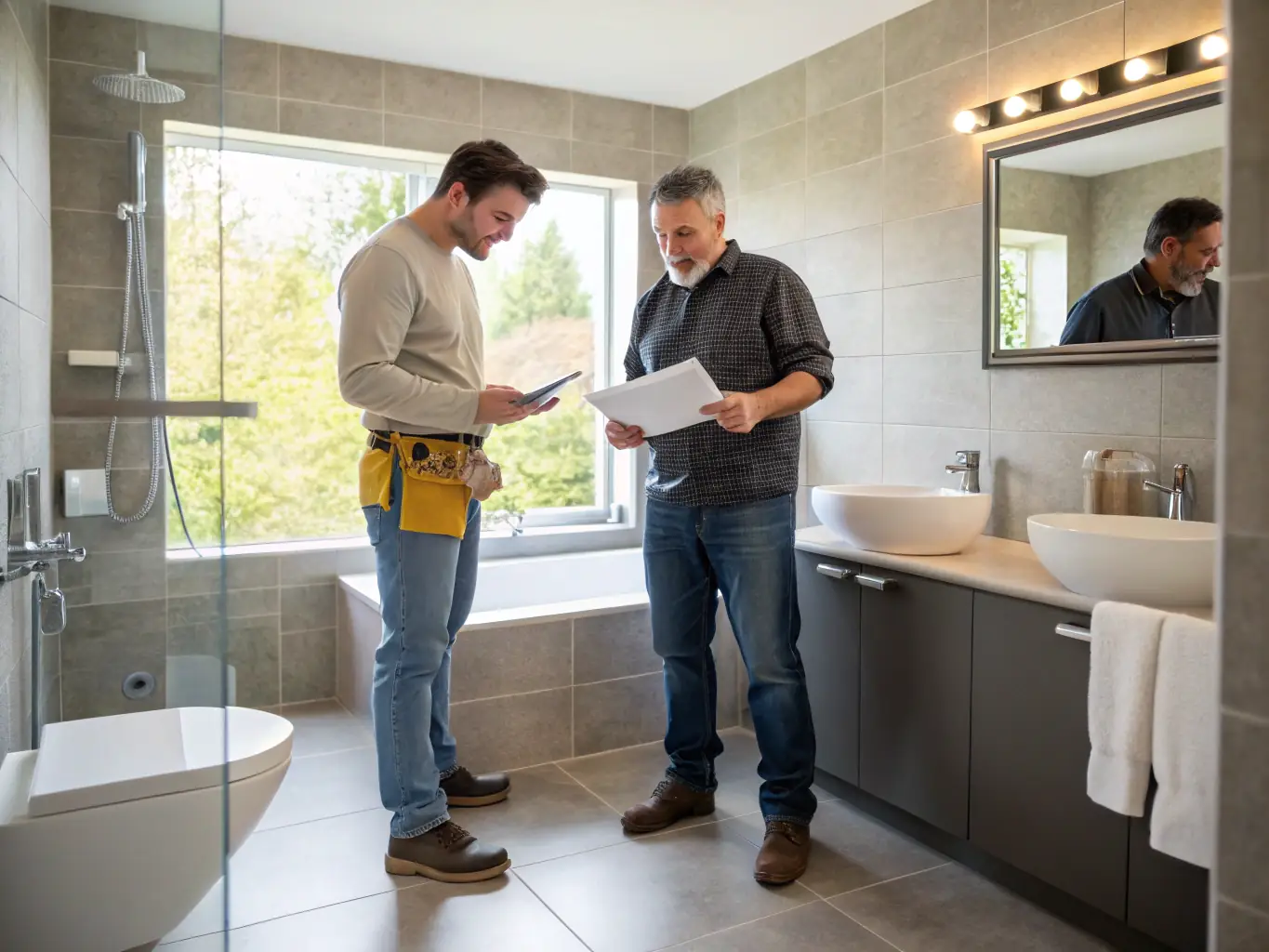
**Cost-Effective Bathroom Remodels: 10 Upgrades You Need**
10 Affordable Bathroom Upgrades That Increase Home Value
A well-planned bathroom remodel can boost your property’s market appeal while keeping expenses under control. Homeowners often hesitate at renovation costs, yet targeted upgrades can deliver high return on investment (ROI) and elevated aesthetics. This guide to cost-effective bathroom remodels covers ten budget-friendly improvements, DIY strategies for labor savings, ROI benchmarks, 2025 design trends, common pitfalls to avoid, top materials and products, and step-by-step planning tips. By following these insights, you’ll maximize home value through smart fixtures, materials, and techniques without overspending.
What Are the Most Cost-Effective Bathroom Remodel Upgrades?
Cost-effective bathroom remodel upgrades deliver significant aesthetic and functional impact per dollar spent by focusing on high-value improvements that attract buyers and reduce maintenance costs. For example, fresh paint can transform mold-stained walls with minimal investment.
Cost-Effective Bathroom Upgrades
Upgrading a bathroom with cost-effective improvements can significantly increase a property’s market appeal. Focusing on high-value improvements, such as fresh paint, new vanities, and updated fixtures, can attract buyers and reduce maintenance costs.
This citation reinforces the article’s emphasis on the importance of strategic upgrades in bathroom remodeling.
The following subsections explore paint, vanities, showers, flooring, and fixtures—each offering a clear path to enhanced home value.
Which Paint and Wall Updates Offer the Best Value?
Paint and wall treatments combine low material cost with dramatic visual renewal by concealing wear and moisture stains and refreshing color schemes. A quality mildew-resistant latex paint can cost under $50 per gallon and cover 350 sq ft.
- Use light, neutral tones such as soft gray or off-white to reflect light and make small bathrooms appear larger.
- Apply moisture-resistant primer before paint to prevent peeling and mold growth.
- Install budget-friendly wall panels or beadboard wainscoting for texture without full-tile expense.
Lighter wall finishes improve brightness and contribute to perceived cleanliness, leading into how swapping an old vanity can elevate the entire space.
How Can Affordable Vanity Upgrades Transform Your Bathroom?
Floating vanities and cabinet refacing elevate style while shaving off installation and material costs by reusing existing plumbing and structure. A floating vanity kit averages $300–$500, compared to $1,200 for built-in units.
- Refacing includes new doors, drawer fronts, and hardware to update aged cabinetry for under $400.
- Floating vanities create a spacious illusion and ease floor cleaning, enhancing both functionality and design.
- Prefabricated modular units often include integrated sinks, reducing labor time by up to 40%.
Repositioning plumbing for floating mounts can be a DIY project, setting the stage for low-cost shower ideas that further boost ROI.
What Are Low-Cost Shower Renovation Ideas That Add Value?
Replacing worn-out tile or dated fiberglass with cost-effective alternatives revitalizes the shower without a full demo. Peel-and-stick mosaic tiles start at $1.50 per sq ft, and acrylic wall panels at $40 per 8-sq ft sheet.
- Install new showerheads—like a water-saving rain design—for $50–$100 to cut water bills.
- Re-grout existing tile and add fresh caulk to eliminate mold and leaks.
- Use preformed liners or tub surrounds to bypass messy demolition.
These tactics refresh the shower footprint affordably, leading to durable flooring strategies that round out the room’s upgrades.
Which Bathroom Flooring Options Are Budget-Friendly and Durable?
Vinyl plank and luxury vinyl tile (LVT) offer water resistance and easy installation at $2–$4 per sq ft, making them ideal budget alternatives to ceramic or porcelain tile. A comparison highlights cost, durability, and installation effort:
| Flooring Type | Cost per sq ft | Durability Rating | Installation Time |
|---|---|---|---|
| Luxury Vinyl Tile | $2.00–$4.00 | High | 2–4 hours (bath) |
| Ceramic Tile | $3.00–$5.00 | Very High | 6–8 hours (bath) |
| Sheet Vinyl | $1.50–$3.00 | Medium | 1–3 hours (bath) |
Vinyl’s quick lay-down process translates to lower labor fees, and its moisture tolerance makes it a long-term solution. Durable flooring paves the way for efficient lighting and fixture upgrades that yield even greater ROI.
How Do Smart Lighting and Fixtures Improve Bathroom ROI?
LED vanity lights, motion-sensor fixtures, and low-flow faucets optimize energy and water usage while enhancing comfort and resale appeal. Smart LED fixtures cost $50–$150 each and can cut electricity consumption by up to 80%.
- Motion-activated night lights improve safety and conserve power.
- Low-flow shower valves reduce water usage by 20–30%, appealing to eco-conscious buyers.
- Dimmable vanity fixtures allow customized ambiance, increasing perceived luxury.
These enhancements support both immediate utility savings and long-term home value, setting up the next section on maximizing savings through DIY.
How Can DIY Projects Maximize Savings in Bathroom Remodels?
DIY projects let homeowners control labor budgets by handling tasks like painting, fixture swaps, and basic installations. Simple electrical and plumbing changes can save 30–50% on labor costs when performed correctly and safely.
What Are Step-by-Step DIY Guides for Each Upgrade?
A structured approach streamlines each improvement and avoids common errors:
- Painting: Clean surfaces, apply primer, and finish with two coats of mildew-resistant paint.
- Vanity Installation: Remove old unit, secure floating bracket, reconnect plumbing, seal joints.
- Fixture Replacement: Turn off water, remove old fixture, install new valve or faucet with supplied gaskets, test for leaks.
Following these guides cuts external labor needs, allowing more budget allocation to high-impact materials as discussed in professional hiring triggers.
When Should You Hire a General Contractor for Plumbing and Electrical?
Complex plumbing reroutes and electrical rewiring require licensed professionals to meet code and avoid safety risks. Call a contractor if you:
- Need to relocate drain lines or install new venting.
- Wish to add or move GFCI outlets for updated lighting.
- Plan wall-penetrating plumbing for a new tub or shower.
Investing in expert labor for these tasks prevents costly repairs and insurance issues, while simpler jobs remain in your control to preserve quality without overspending.
How Do DIY Projects Reduce Labor Costs Without Sacrificing Quality?
Equipping yourself with quality tools—like a wet-dry vacuum, power drill, and tile cutter—enables precise installations that match professional standards. Pre-planning and obtaining bulk-buy materials also drive down expenses by up to 15%. With practice and the right resources, homeowners can achieve a polished remodel that supports ROI targets explored in the next section.
How Do Bathroom Remodels Increase Home Value and Return on Investment?
Bathroom renovations wield strong influence on resale value, often recouping more than 70% of costs in minor to midrange remodels. Modern fixtures and materials resonate with buyers’ priorities for efficiency and style.
ROI of Bathroom Remodels
Bathroom renovations often yield a strong return on investment (ROI), with minor to midrange remodels frequently recouping a significant portion of their costs. Modern fixtures and materials are key to attracting buyers and increasing home value.
This supports the article’s claims about the financial benefits of bathroom renovations.
What ROI Can You Expect from Minor, Midrange, and Upscale Remodels?
Minor updates often yield the highest ROI, followed by midrange and upscale projects:
| Remodel Scale | Average Cost | Typical ROI (%) |
|---|---|---|
| Minor (e.g., paint, fixtures) | $3,000–$6,000 | 70–80 |
| Midrange (e.g., new vanity, tile) | $10,000–$15,000 | 60–70 |
| Upscale (e.g., custom cabinetry, luxury fixtures) | $20,000+ | 50–60 |
Minor remodels focus on cosmetic improvements that buyers notice immediately, bridging into which specific upgrades deliver the greatest value boost.
Which Upgrades Yield the Highest Increase in Home Value?
Top value-driving improvements include:
- Vanity Replacement: Up to 70% cost recoup due to visual impact and storage improvement.
- Shower/Tub Update: Prefabricated surrounds deliver 65–75% ROI by modernizing function.
- Energy-Efficient Lighting: LED and sensor installations can return 80–90% of costs through utility savings and buyer appeal.
These targeted enhancements align with market demand for modern, efficient bathrooms and introduce how resale value and buyer appeal link to overall satisfaction.
How Does a Bathroom Remodel Affect Resale Value and Buyer Appeal?
A refreshed bathroom correlates with higher buyer satisfaction scores, often tipping sale negotiations. Studies show 85% of homebuyers rank an updated bathroom within their top three must-have features, making remodels a strategic investment that directly influences closing price and time on market.
What Are the Latest 2025 Bathroom Remodel Trends You Can Afford?
Budget remodelers can still embrace trending spa-inspired designs, eco-friendly materials, and smart technology without breaking the bank. Minimalist layouts paired with strategic detailing create a high-end feel at moderate cost.
How Do Spa-Like and Minimalist Designs Fit a Budget Remodel?
Clean lines, uncluttered storage, and neutral natural finishes offer a serene retreat without premium materials. Prioritize:
- Open shelving and streamlined hardware for under $100.
- Neutral porcelain tiles that mimic stone at $2–$3 per sq ft.
- Frameless glass shower doors for $200–$400 to open visual space.
These minimalist elements set a luxurious tone that complements the eco-friendly options explored next.
What Eco-Friendly Materials Save Money and Energy?
Sustainable bamboo vanities, recycled glass mosaic accents, and low-flow fixtures deliver both green credentials and long-term savings. For instance, a bamboo vanity kit at $350 combines renewable harvesting with moisture resistance, while water-saving toilets priced around $150–$200 reduce utility bills by 20%.
Which Smart Technologies Are Affordable for Bathroom Upgrades?
Smart mirrors with integrated LED lighting and defoggers start at $200, while Bluetooth-enabled showerheads at $75 allow playlist streaming. These technology add-ons distinguish your bathroom at resale and enhance daily convenience.
How Are Floating Vanities and Warm-Toned Fixtures Trending?
Floating vanities maintain their popularity by maximizing floor clearance and visual flow. Warm-toned fixtures—brushed brass or aged bronze—add affordable sophistication at $50–$100 per faucet.
This combination supports modern design preferences and sets up best practices to avoid outdated pitfalls.
How Can You Avoid Common Budget Pitfalls and Outdated Bathroom Trends?
Steering clear of hidden expenses and quickly outdated design choices preserves both budget and long-term value. Proper planning and material selection are key to a remodel that remains timeless.
What Are the Most Common Remodeling Mistakes to Avoid?
Homeowners often underestimate waterproofing needs, resulting in mold and water damage that drive up repair costs. Failing to plan layout changes before demo can also lead to unexpected plumbing or electrical extra charges. Early attention to these details prevents overspending and structural issues.
Which Outdated Trends Should You Skip for Better ROI?
Matte black fixtures and small mosaic tiles have waned in popularity, often dating a bathroom within a few years. Instead, choose classic nickel or brass finishes and larger-format tiles that require less grout maintenance and feel more contemporary.
How Does Proper Ventilation Prevent Costly Repairs?
An exhaust fan rated for at least 1 CFM per sq ft of bathroom area expels moisture efficiently. Proper ventilation wards off mold, peeling paint, and water damage—issues that can compound into thousands of dollars in remediation if neglected.
What Are the Best Budget Materials and Products for Bathroom Upgrades?
Selecting materials with the optimal balance of cost, durability, and style ensures projects stay within budget while meeting quality expectations. The following comparisons guide material choices for flooring, countertops, fixtures, and tile size.
How Do Vinyl and Ceramic Tiles Compare in Cost and Durability?
Vinyl delivers easier installation and lower upfront costs, while ceramic offers longer lifespan and higher heat resistance:
| Material | Price Range | Durability | Installation Ease |
|---|---|---|---|
| Vinyl Plank | $2–$4/sq ft | High | DIY-friendly |
| Ceramic Tile | $3–$5/sq ft | Very High | Professional recommended |
With clear trade-offs, vinyl suits quick renovations and tight budgets, leading into countertop options that follow similar cost-benefit logic.
Which Countertop Materials Offer the Best Value?
Laminate countertops offer an ultra-budget solution at $20–$40 per linear foot, while quartz begins around $50–$60 per foot and granite at $40–$70 per foot. Laminate’s limited heat resistance is offset by its low cost and vast color selection.
What Are Affordable Fixture Options That Look High-End?
Plastic-resin showerheads and faucets with metal-tone finishes emulate premium styles for under $75. Pair these with solid brass handles priced at $20–$30 to reinforce quality perception without premium brands.
How Can Larger Tiles Save on Labor Costs?
Larger-format tiles (12×24 inches and above) reduce grout line length by up to 30%, cutting tile-setting labor time accordingly. This efficiency translates to direct savings on contractor bills.
How Do You Plan and Budget for a Cost-Effective Bathroom Remodel?
Effective remodel planning breaks the project into clear phases—goal setting, budget allocation, resource tracking, and contingency planning—ensuring each upgrade aligns with your financial parameters and design objectives.
What Are the Essential Steps in Planning a Budget Remodel?
- Define your priorities (e.g., function, aesthetics, ROI).
- Assess existing conditions (plumbing, electrical, structural).
- Research costs for each desired upgrade.
- Build a timeline that staggers high-cost items.
Planning milestones keep the project on schedule and within financial scope, segueing into budget creation for each line item.
How Do You Create a Realistic Budget for Each Upgrade?
List each upgrade with low, mid, and high cost estimates and assign a contingency buffer of 10–15%. For example, a new floating vanity might allocate $300–$500 plus a $50 buffer for unforeseen hardware needs.
What Tools and Resources Help Track Remodel Progress and Costs?
Project management apps like Trello or spreadsheets with line-item breakdowns allow real-time tracking of expenses. Getting contractor quotes via online platforms also provides benchmarks for negotiation and comparison.
How Can You Use Internal Linking to Access Detailed Upgrade Guides?
While this hub outlines core upgrades, specialized guides—such as “budget bathroom vanity upgrades” or “inexpensive shower renovation ideas”—offer deeper tutorials, tool lists, and cost breakdowns for each improvement phase.
A strategic bathroom remodel that prioritizes these ten upgrades and follows disciplined planning delivers striking aesthetic enhancements and measurable increases in home value. By combining high-impact, low-cost improvements with selective professional help, you’ll enjoy a refreshed space that appeals to buyers and reduces long-term utility bills, ensuring every dollar invested works toward equity growth and homeowner satisfaction.